Top 5 Reasons Industrial Hot Water Systems Fail in Winter
29 May 2026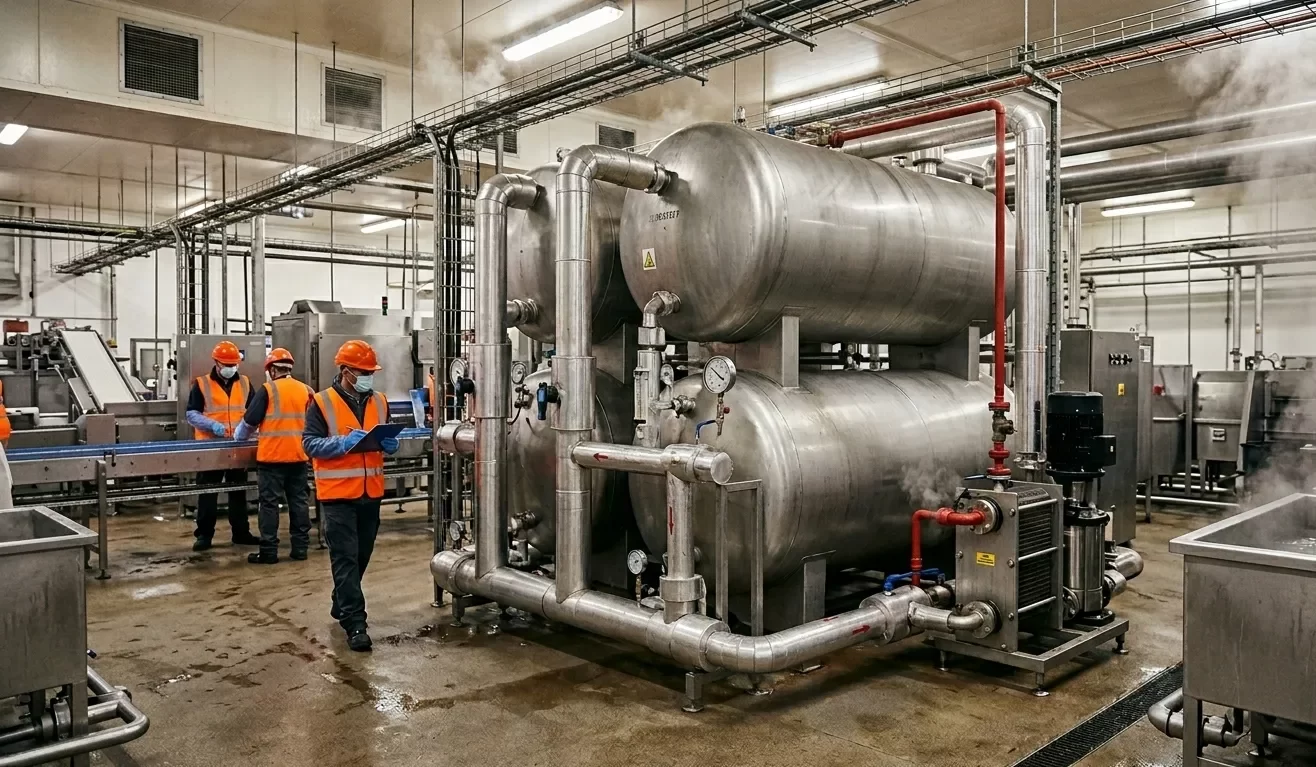
Winter breakdowns of industrial hot water systems can disrupt operations. L&C Harding Plumbing outlines causes, risks, and prevention strategies.
Industrial hot water systems are critical to maintaining productivity, safety, and hygiene across Australian facilities, especially during colder months. However, most winter breakdowns are not sudden failures but the result of underlying issues that become more visible when temperatures drop. As demand increases and conditions become harsher, even minor system weaknesses can quickly lead to costly disruptions.
Why Industrial Hot Water Systems Struggle in Winter
During winter, hot water systems work harder to heat colder incoming water while meeting higher demand. This added load places strain on key components, especially in facilities with peak or continuous usage.
Lower ambient temperatures also increase heat loss, reducing efficiency and slowing delivery. Systems already operating near capacity may struggle to maintain consistent performance, leading to fluctuations and potential failure if not managed properly.
5 Reasons Industrial Hot Water Systems Fail in Winter and How Australian Sites Can Prevent Downtime
Understanding the root causes of winter failures allows facility managers to take proactive steps to minimise downtime and maintain reliable performance. A broader commercial plumbing preventative maintenance plan can also help reduce the risk of seasonal hot water issues before they affect operations.
1. Under Sizing and Colder Inlet Water
Many systems are not designed for colder inlet water during winter, which increases demand on the system. This slows recovery and reduces available hot water during peak periods. Proper sizing based on actual and seasonal usage helps prevent these issues.
2. Maintenance Gaps
Routine maintenance is often overlooked, leading to worn components like pumps, valves, and burners. Increased winter usage can push these weakened parts to failure. Regular servicing helps detect and fix issues before breakdowns occur.
3. Pipe Heat Loss and Insulation Failures
Poor insulation allows heat to escape, especially in colder conditions. This causes delays in hot water delivery and increases energy use. Properly insulating pipes, valves, and fittings improves efficiency and system reliability.
4. Scale, Corrosion, and Water Quality Issues
Hard water can cause scale build-up, reduce efficiency and block components. Corrosion can damage internal parts and lead to leaks or system failure. Water treatment and regular inspections help maintain system performance and lifespan.
5. Temperature Control and Recirculation Issues
Poor temperature control and recirculation can lead to inconsistent hot water delivery. This may create uneven temperatures and stagnant water in parts of the system. Regular balancing and monitoring ensure consistent and safe performance. Where temperature stability and safe outlet delivery are critical, thermostatic mixing valve testing in Melbourne should also form part of an ongoing maintenance strategy.
Warning Signs Before Full Failure
Industrial hot water systems rarely fail without warning, and recognising early signs of trouble allows businesses to act before issues escalate. Monitoring these indicators and responding promptly helps prevent unexpected downtime and costly repairs.
Common warning signs include:
- Inconsistent or fluctuating water temperatures
- Delays in hot water reaching outlets
- Unusual noises from pumps or heaters
- Increased energy consumption without higher usage
- Visible leaks or signs of corrosion
- Reduced pressure or flow at fixtures
Keep Your Industrial Hot Water Systems Running with L&C Harding Plumbing
Maintaining reliable industrial hot water systems requires a proactive approach that includes proper system design, regular maintenance, and ongoing monitoring. By addressing common winter failure points early, businesses can reduce operational risks, improve efficiency, and ensure consistent performance throughout the colder months. L&C Harding Plumbing specialises in servicing and maintaining hot water systems across Australia, helping facilities stay operational and avoid costly breakdowns.
Contact us to schedule an inspection or discuss your system requirements.
Related Blog Articles:
Commercial Hot Water Plant Upgrades: Heat Pump vs Gas vs Solar Pre-Heat Explained
Melbourne Industrial Plumbing: How to Prevent Costly Downtime with Proactive Maintenance